






As we navigate the complexities of the 21st century, energy, climate change, and job opportunities are at the forefront of global discourse. The increasing urgency of climate action is leading to innovative energy solutions that not only aim to mitigate adverse environmental impacts but also create a plethora of job opportunities across various sectors. This guide delves into the latest developments in energy technologies, the ongoing battle against climate change, and how these elements intertwine to shape the job market. From renewable energy sources like solar and wind to the rise of sustainable practices in traditional industries, we will explore how these factors influence employment trends and economic growth. With governments and organizations worldwide committing to net-zero goals, understanding the nexus of energy, climate change, and job prospects is essential for anyone looking to thrive in today’s evolving economy. Let’s explore these critical topics in detail.
1. The Shift to Renewable Energy Sources
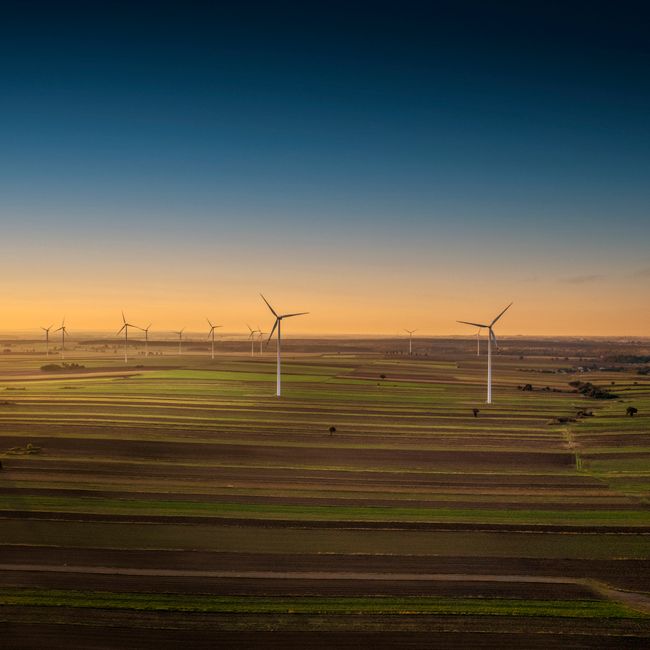
The transition from fossil fuels to renewable energy sources is one of the most significant trends shaping our energy landscape today. Solar, wind, hydroelectric, and geothermal energy are leading the charge in reducing greenhouse gas emissions while providing sustainable power. For instance, in 2021, solar energy alone accounted for a record 46% of new electricity generation in the United States, demonstrating an increasing reliance on clean energy. This shift is not merely an environmental necessity but also an economic opportunity. With investments pouring into renewable technologies, companies are expanding their operations and hiring more workers skilled in these fields. As more nations commit to ambitious renewable energy targets, the demand for engineers, technicians, and project managers in this sector is projected to grow significantly. Understanding the dynamics of renewable energy sources is crucial for those interested in pursuing a career in this burgeoning industry.
2. Innovations in Energy Storage Technologies
Energy storage technologies are pivotal in managing the intermittency of renewable energy sources. With advancements in battery technologies, energy can be stored efficiently for use when production is low, such as during cloudy or windless days. Lithium-ion batteries, which power everything from electric vehicles to home energy systems, have seen remarkable improvements in efficiency and cost-effectiveness. Companies like Tesla have pushed the envelope with their Powerwall and Powerpack systems, making energy storage more accessible to consumers. Additionally, research into alternative storage solutions, such as flow batteries and solid-state batteries, is ongoing. These innovations not only enhance the reliability of renewable energy but also create job opportunities in research, manufacturing, and deployment. As energy storage becomes a critical component of the energy grid, professionals with expertise in this area will find a wealth of career options available.
3. The Role of Policy in Climate Action
Government policies play a crucial role in the global response to climate change. From international agreements like the Paris Accord to national legislation promoting clean energy, policy frameworks significantly influence energy transition and climate action. Countries are increasingly setting ambitious carbon neutrality targets, which require substantial investments in renewable energy, energy efficiency, and emissions reduction technologies. For example, the European Union has proposed the Green Deal, aiming for a carbon-neutral economy by 2050. Such policies create an ecosystem that encourages innovation and attracts investments in sustainable technologies. Furthermore, these initiatives generate job opportunities in regulatory compliance, environmental consulting, and green finance. Understanding the implications of policy decisions on climate action and the energy sector is essential for job seekers and professionals who want to align their careers with sustainability goals.
4. The Impact of Climate Change on Job Markets
Climate change is not only an environmental crisis but also a significant factor influencing job markets worldwide. As extreme weather events become more frequent and severe, industries such as agriculture, construction, and insurance are facing unprecedented challenges. For instance, the agricultural sector must adapt to shifting weather patterns and changing crop viability, leading to a growing demand for agronomists and climate specialists. Similarly, the construction industry is increasingly focused on resilience and sustainability, creating job opportunities for architects and engineers skilled in green building practices. Moreover, as businesses recognize the importance of sustainability, roles in corporate social responsibility and environmental management are on the rise. The effects of climate change will continue to reshape job markets across various sectors, making it essential for the workforce to adapt and acquire new skills relevant to a changing environment.

5. Green Technology and Startups
The rise of green technology and startups is reshaping how we approach energy production and consumption. Entrepreneurs are innovating solutions that address environmental challenges, creating new market opportunities and jobs in the process. Companies focused on carbon capture, energy efficiency, and sustainable transportation are gaining traction. For example, startups like Carbon Clean Solutions are developing technologies to capture carbon emissions from industrial sources, while others are creating platforms for sharing electric vehicles. These innovations not only contribute to climate solutions but also attract funding from investors eager to support sustainable enterprises. As the green technology sector continues to expand, job opportunities in research and development, marketing, and operations will flourish. This entrepreneurial spirit is crucial for driving the transition to a low-carbon economy and offers exciting prospects for those interested in sustainability-driven careers.
6. The Importance of Education and Training
Education and training are vital components in preparing the workforce for the challenges and opportunities presented by the energy transition and climate change. As industries evolve, the demand for skilled labor in renewable energy, sustainability, and environmental management is skyrocketing. Educational institutions are responding by offering specialized programs in these areas, from undergraduate degrees in environmental science to vocational training in renewable energy technologies. For example, many universities now have dedicated sustainability programs that equip students with the skills needed to address climate challenges. Additionally, online courses and certifications in energy management and green building practices are becoming increasingly popular. Lifelong learning and reskilling initiatives are crucial for professionals looking to remain relevant in a rapidly changing job landscape. Investing in education not only benefits individuals but also strengthens the overall workforce in the face of climate change.
7. The Future of Jobs in the Energy Sector
The future of jobs in the energy sector is poised for transformation as the world shifts towards sustainable practices. With ongoing investments in renewable energy, energy efficiency, and climate resilience, the job market is expected to see significant growth. According to the International Renewable Energy Agency (IRENA), the renewable energy sector employed over 11 million people globally in 2018, and this number is projected to increase to 24 million by 2030. Positions in solar and wind energy, energy storage, and electric vehicle infrastructure will become increasingly critical. Furthermore, traditional energy sectors are also evolving, with oil and gas companies investing in renewable projects and diversifying their portfolios. This transition creates a unique set of opportunities for workers skilled in both conventional and renewable energy fields. As the energy landscape evolves, adaptability and innovation will be key drivers of success in the job market.
Conclusion
The interplay between energy, climate change, and job opportunities is becoming increasingly significant in our modern world. As we transition to a sustainable future, the demand for renewable energy, innovative technologies, and skilled professionals will continue to grow. Policymakers, educators, and businesses must work together to ensure that the workforce is prepared for this transformation. By embracing education and training, fostering innovation, and supporting sustainable practices, we can create a resilient economy that not only addresses the challenges of climate change but also opens new pathways for employment. As individuals and communities, we have the power to shape a sustainable future filled with opportunities for growth and prosperity.