




In today’s fast-paced world, understanding market news related to weather and natural disasters is crucial for businesses, investors, and individuals alike. The impact of weather patterns and natural disasters on various industries can be profound, affecting everything from agriculture to insurance and stock prices. For instance, a sudden hurricane can disrupt supply chains, while an unexpected drought can lead to soaring food prices. This article aims to provide you with essential insights into how weather forecasts and natural disaster updates can influence market trends and decision-making processes. By mastering these insights, you can better navigate the complexities of market news, enhancing your ability to make informed decisions. Whether you’re an investor looking to capitalize on market changes or a business owner aiming to mitigate risks, this guide will help you understand the critical role that weather and natural disasters play in shaping economic landscapes.
The Economic Impact of Weather Patterns
Weather patterns have a direct and significant impact on various sectors of the economy. For example, agriculture is profoundly affected by seasonal changes, with factors such as rainfall, temperature, and humidity dictating crop yields. A wet season can lead to bumper harvests, while a drought can decimate crops, causing food prices to spike. The energy sector is similarly influenced; hot summers increase demand for electricity as air conditioning units work overtime, while cold winters drive up heating fuel consumption. Analysts and investors closely monitor weather forecasts to predict these shifts, allowing them to make strategic decisions in anticipation of market changes. Moreover, sectors like tourism are highly sensitive to weather conditions. For instance, a rainy tourist season can lead to decreased revenue for hospitality businesses. Understanding these dynamics can provide critical insights into market trends, helping stakeholders position themselves advantageously.
Natural Disasters and Market Volatility
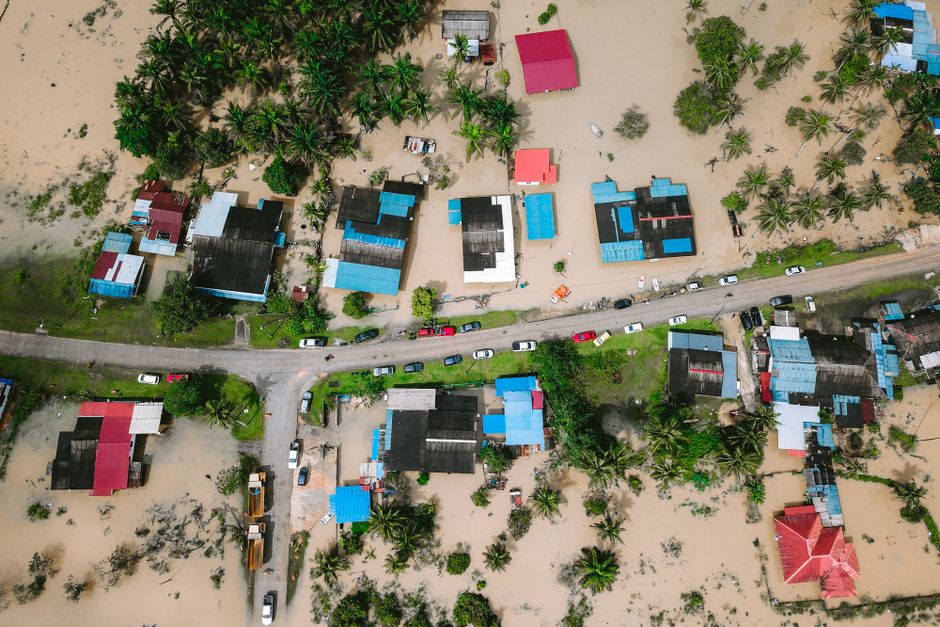
Natural disasters such as hurricanes, earthquakes, and wildfires can cause sudden and severe market volatility. When a natural disaster strikes, affected areas often face immediate financial losses, which can ripple through national and global markets. For example, Hurricane Katrina had devastating effects on the U.S. economy, particularly in the oil and gas sector, as production facilities were damaged and supply chains disrupted. Investors often react swiftly to news of natural disasters, leading to fluctuations in stock prices. Companies involved in disaster recovery, such as construction and insurance firms, may see their stock prices rise in anticipation of increased demand for their services. Conversely, industries reliant on infrastructure, like transportation and logistics, may suffer losses. Understanding how natural disasters influence market dynamics is essential for making informed investment decisions and developing risk management strategies.
Weather Forecasts and Investment Strategies
Weather forecasts play a pivotal role in shaping investment strategies across various sectors. Investors use meteorological data to predict trends that could impact commodities, such as agricultural products, energy resources, and even precious metals. For instance, a forecast predicting a harsh winter can lead to increased stockpiling of heating oil, driving up prices and benefiting companies involved in energy production. Similarly, accurate weather predictions are crucial for agricultural investors; a forecast of favorable growing conditions may encourage investment in crops, whereas predictions of adverse weather can lead to cautious approaches. By integrating weather forecasts into their investment strategies, savvy investors can identify opportunities and mitigate risks, ensuring a more robust portfolio. The ability to interpret and act on weather-related market indicators can provide a competitive edge, especially in volatile markets.
The Role of Technology in Weather Prediction
Advancements in technology have significantly improved the accuracy of weather predictions, which in turn impacts market news and decision-making. Satellite imagery, artificial intelligence, and data analytics have revolutionized how meteorologists forecast weather patterns. These technologies enable the collection of vast amounts of data, allowing for more precise modeling of weather events. Businesses and investors are increasingly leveraging these insights to make data-driven decisions. For example, agricultural technology companies use predictive analytics to advise farmers on optimal planting times and crop management strategies based on weather forecasts. Similarly, insurance companies utilize advanced modeling to assess risk and set premiums more accurately. The integration of technology in weather prediction not only enhances the reliability of forecasts but also empowers stakeholders to respond proactively to market changes, ultimately leading to better financial outcomes.
Understanding Insurance Markets and Weather Events
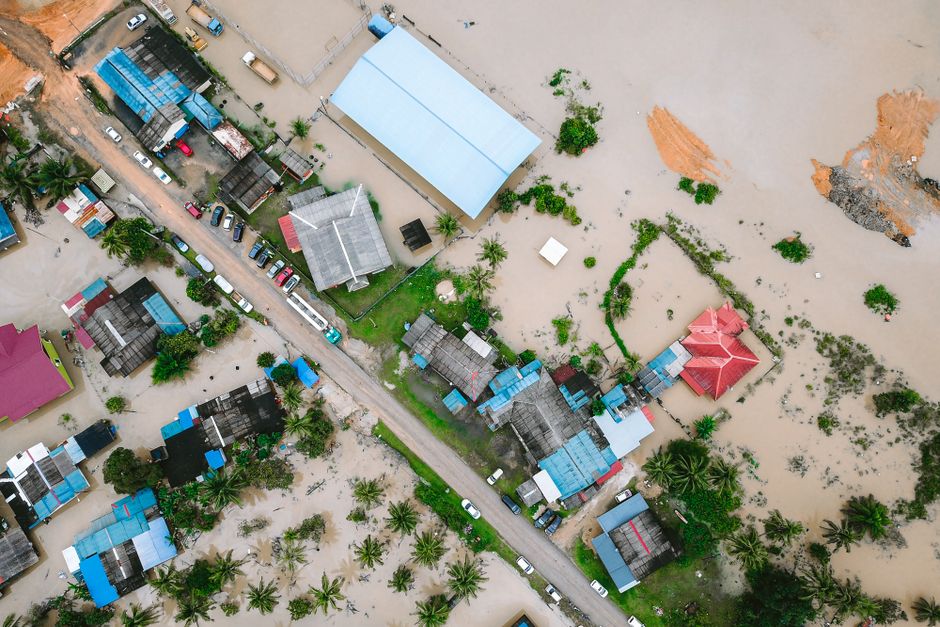
The relationship between weather events and insurance markets is a complex yet critical component of market news. Natural disasters can lead to significant claims, impacting the financial health of insurance companies. For example, when a hurricane strikes, insurers must quickly assess and settle claims for damages, which can lead to substantial payouts. This financial strain may affect stock prices of insurance companies, as investors react to news of large-scale claims. Moreover, the frequency of extreme weather events is increasing, prompting insurers to adjust their risk models and pricing strategies. Understanding how insurers respond to weather-related risks can provide valuable insights for investors. Additionally, the rise of parametric insurance, which pays out based on predetermined weather conditions rather than actual loss, is changing the landscape of the insurance market. This innovation reflects a growing recognition of the need for flexible and responsive insurance solutions in the face of climate change.
The Importance of Staying Informed
In an era where information is readily available, staying informed about weather conditions and natural disasters is essential for anyone involved in the market. Real-time updates from meteorological services, news agencies, and social media platforms provide crucial insights that can influence market dynamics. For instance, a sudden weather warning can lead to immediate changes in commodity prices, making it vital for traders and investors to stay alert. Subscription services that offer specialized weather data and analytics can provide a competitive advantage, allowing businesses to make timely decisions. Furthermore, understanding the sources of weather information and their reliability is crucial for making informed choices. As the frequency and intensity of weather-related events continue to rise, being proactive in seeking out information will not only help individuals and businesses mitigate risks but also capitalize on emerging opportunities.
Conclusion
Mastering market news related to weather and natural disasters is vital for making informed decisions in today’s interconnected economy. The direct correlation between weather patterns and economic performance underscores the importance of understanding these dynamics. By leveraging accurate weather forecasts, embracing technological advancements, and staying informed about market responses to natural disasters, individuals and companies can enhance their strategic planning and investment approaches. As the impact of climate change intensifies, the ability to interpret weather-related information will become increasingly important. By following the insights outlined in this guide, you can navigate the complexities of market news with confidence, ensuring that you are well-equipped to respond to the challenges and opportunities presented by weather and natural disasters.